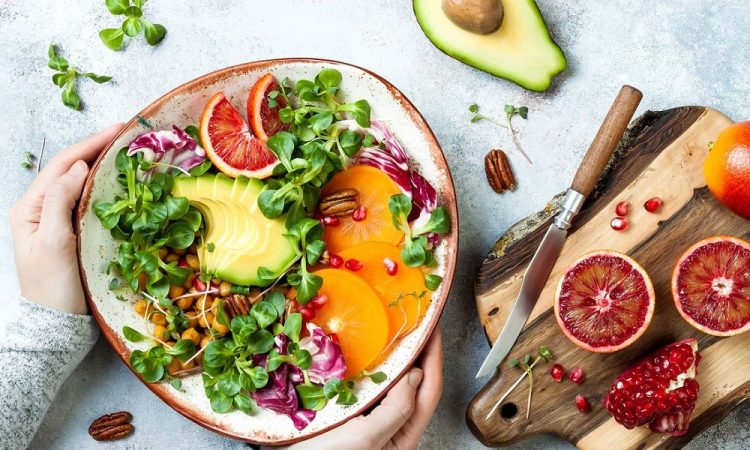
Many people believe that adopting a healthier lifestyle requires an aggressive, all-or-nothing overhaul. They empty their pantries, eliminate entire food groups, and adopt restrictive meal plans that feel impossible to maintain beyond a few weeks. This extreme approach frequently backfires, resulting in burnout, nutritional fatigue, and a quick return to old eating habits.
The most effective, sustainable way to enhance your long-term health is through incremental, high-impact dietary upgrades. By focusing on smart substitutions, better preparation methods, and nutrient-dense additions to the meals you already eat, you can dramatically increase your daily intake of micronutrients, fiber, and healthy fats. Transforming your diet is not about deprivation; it is about crowding out low-nutrient ingredients with wholesome alternatives that fuel your body and taste delicious.
Rethinking the Foundation: Upgrading Refined Grains to Whole Intact Carbs
Modern diets rely heavily on refined carbohydrates. White flours, instant white rices, and processed pasta dominate the standard dinner plate. During industrial milling, these grains are stripped of their outer bran and nutrient-packed germ, removing most of their natural dietary fiber, magnesium, and B vitamins. The resulting endosperm digests rapidly, triggering sharp blood sugar spikes followed by steep insulin crashes that drive mid-afternoon fatigue and cravings.
Upgrading to whole, intact grains preserves the complete anatomy of the seed, providing slow-burning energy and sustained satiety:
-
Quinoa: Technically a seed, quinoa acts like a grain and supplies all nine essential amino acids alongside generous amounts of iron and magnesium.
-
Farro and barley: These ancient grains provide a hearty, chewy texture and are rich in beta-glucan, a soluble fiber known to lower low-density lipoprotein cholesterol.
-
Wild or black rice: Packed with anthocyanins, the same dark pigments found in blackberries, wild and black rices offer potent antioxidant support compared to stripped white varieties.
-
Legume-based pastas: Swapping traditional wheat pasta for varieties made from chickpeas, red lentils, or edamame doubles the protein and triples the dietary fiber per serving without changing your favorite sauce pairings.
Replacing refined staples with whole, fiber-rich grains stabilizes post-meal glucose responses, promotes bowel regularity, and provides steady fuel for your digestive microbiome.
Enhancing Protein Density and Quality
Protein provides the necessary amino acids for muscle protein synthesis, enzyme production, immune cell defense, and structural tissue repair. In many typical meals, protein is either an afterthought or comes sourced exclusively from ultra-processed meats loaded with excess sodium, nitrates, and synthetic binders.
Making simple upgrades to your daily protein choices enhances both metabolic rate and lean tissue retention:
-
Incorporate wild-caught canned fish: Swapping standard processed lunch meats for canned wild sardines, mackerel, or pink salmon introduces high concentrations of anti-inflammatory omega-3 fatty acids along with bioavailable calcium and selenium.
-
Switch from standard yogurt to plain Greek yogurt or skyr: Strained yogurts contain twice the protein per ounce compared to traditional sweetened yogurts, while providing active probiotic cultures that nourish beneficial gut bacteria.
-
Blend edamame or hemp hearts into sides: Sprinkling two tablespoons of raw hemp hearts or adding a half cup of shelled edamame to salads, grain bowls, and soups adds eight to ten grams of complete plant protein with zero cooking hassle.
-
Opt for pasture-raised and regenerative meats: When budget permits, choosing pasture-raised eggs and grass-fed meats delivers higher ratios of omega-3 to omega-6 fatty acids, along with superior levels of vitamins A and E.
Distributing high-quality protein evenly across all meals keeps satiety hormones elevated, preventing unintentional overeating between meal times.
Swapping Pro-Inflammatory Cooking Fats for Heart-Healthy Lipids
The quality of dietary fat you cook with determines cellular membrane fluidity, cardiovascular elasticity, and systemic inflammation levels. Many home kitchens and restaurant establishments rely on industrial seed oils like soybean, corn, and cottonseed oils, which are easily oxidized under high heat and skew dietary balances toward pro-inflammatory fatty acid profiles.
Upgrading your cooking fats and meal dressings transforms everyday dishes into cardiovascular powerhouses:
-
Extra virgin olive oil: The crown jewel of the Mediterranean diet, extra virgin olive oil is loaded with monounsaturated oleic acid and oleocanthal, a polyphenol that exhibits natural anti-inflammatory actions similar to ibuprofen. Use it liberally for low-to-medium heat cooking, roasting, and cold salad dressings.
-
Avocado oil: With a remarkably high smoke point exceeding 500 degrees Fahrenheit, pure avocado oil is ideal for high-heat searing, roasting, and stir-frying without producing toxic aldehydes or lipid peroxides.
-
Grass-fed butter or ghee: Ghee (clarified butter) removes lactose and casein, providing a stable, rich fat for cooking that contains butyrate, a short-chain fatty acid that directly nourishes colon cells.
-
Raw nuts and seeds: Instead of using store-bought creamy salad dressings laden with refined sugars and gums, blend raw cashews, tahini, or sunflower seeds with lemon juice and herbs to create velvety, nutrient-dense dressings.
Healthy fats slow gastric emptying, ensuring that fat-soluble vitamins A, D, E, and K are absorbed efficiently by the small intestine.
Building Color Diversity and Plant Variety
Many individuals eat the exact same three or four vegetables day after day, typically limited to standard iceberg lettuce, greenhouse tomatoes, and plain broccoli. The human gut microbiome thrives on biological diversity, requiring different types of prebiotic fibers, polyphenols, and phytonutrients to sustain a healthy balance of microbial strains.
Aiming for thirty different plant foods per week sounds daunting, but it becomes effortless when you apply minor upgrades to your standard recipes:
-
Pre-mixed leafy greens: Replace pale iceberg lettuce with dark blends containing baby spinach, arugula, watercress, mizuna, and red leaf lettuce. Bitter greens like arugula stimulate natural bile secretion and stomach acid production, aiding digestive efficiency.
-
Microgreens and fresh sprouts: A single handful of broccoli sprouts or radish microgreens contains up to forty times the concentration of sulforaphane and vital micronutrients compared to their mature plant counterparts. Add them as a raw garnish on top of eggs, sandwiches, and grain bowls.
-
Frozen berry medleys: Keep bags of organic wild blueberries, blackberries, and raspberries in the freezer. Tossing a handful into warm morning oatmeal, protein smoothies, or yogurt delivers dense anthocyanins without the spoilage risk of fresh produce.
-
Fermented vegetables: Adding a forkful of raw, unpasteurized sauerkraut, kimchi, or fermented pickles to your lunch and dinner plates introduces living lactic acid bacteria that strengthen the intestinal mucosal barrier.
Diversifying the colors on your plate ensures a wide spectrum of bioflavonoids, carotenoids, and protective antioxidants that neutralize free radicals and support cellular longevity.
Upgrading Seasonings: Trading Sodium Bombs for Herbs and Spices
One of the easiest ways to improve your everyday cooking is rethinking how you season your food. Many commercial seasoning mixes, packaged sauces, and bouillon cubes contain high levels of monosodium glutamate, excessive sodium, refined sugar, and artificial anticaking agents.
Culinary herbs and spices are the most concentrated sources of dietary antioxidants in the world:
-
Turmeric and black pepper: Curcumin, the active compound in golden turmeric, exerts potent anti-inflammatory and joint-protective benefits. Pairing turmeric with freshly cracked black pepper increases the bioavailability of curcumin by up to two thousand percent due to the alkaloid piperine.
-
Ceylon cinnamon: Stirring true Ceylon cinnamon into morning coffee, smoothies, or oats helps improve cellular insulin sensitivity and balances postprandial glucose curves.
-
Garlic and onions: Rich in organosulfur compounds like allicin, fresh garlic and allium vegetables support healthy blood vessel dilation and support natural hepatic detoxification pathways.
-
Dried Mediterranean herbs: Oregano, rosemary, thyme, and sage contain exceptionally high oxygen radical absorbance capacities. Coating meats in these herbs prior to grilling or roasting significantly reduces the formation of harmful heterocyclic amines caused by cooking heat.
Using fresh aromatics and robust dried herbs allows you to develop deep, complex culinary flavors without relying on heavy doses of processed table salt or sugary condiments.
Strategic Hydration and Liquid Upgrades
What you drink alongside your everyday meals dictates digestive performance and daily caloric loads. Sugary sodas, heavily sweetened iced teas, and artificial diet drinks can impair insulin sensitivity and disrupt the delicate balance of the oral and gut microbiomes.
Upgrading your mealtime beverages provides clean hydration and metabolic benefits:
-
Mineral-rich water: Drinking filtered water enhanced with a pinch of unrefined sea salt or a squeeze of fresh lemon juice supplies natural electrolytes that optimize cellular hydration.
-
Organic green and matcha tea: Rich in epigallocatechin gallate (EGCG), green tea enhances fat oxidation and provides steady cognitive clarity through the calming amino acid L-theanine.
-
Herbal infusions: Sipping warm peppermint, ginger, or chamomile tea after heavier meals stimulates digestive motility, reduces trapped gas, and relaxes the smooth muscles of the digestive tract.
-
Warm bone broth: Sipping a cup of traditional grass-fed beef or pasture-raised chicken bone broth supplies bioavailable collagen, glycine, and glutamine to heal and seal the intestinal lining.
Replacing liquid sugars with herbal teas and clean hydration lightens your metabolic load while supporting the kidney and liver filtration systems.
Frequently Asked Questions
Will making subtle diet upgrades really produce noticeable health changes without counting calories?
Yes. When you replace nutrient-stripped foods with items high in protein, dietary fiber, and healthy fats, your body naturally regulates appetite through satiety signaling hormones like leptin and peptide YY. Focusing on nutrient density rather than strict calorie counting generally leads to effortless portion control, improved digestion, steady energy levels, and gradual body composition improvements.
Are frozen vegetables just as nutritious as fresh produce in everyday cooking?
Frozen vegetables are often more nutrient-dense than fresh produce that has spent days in transit and sitting under grocery store lights. Produce intended for freezing is flash-frozen at peak ripeness, locking in vitamins, minerals, and polyphenols. Keeping a variety of plain frozen vegetables in your freezer makes adding plant diversity to nightly dinners both fast and economical.
How can I make whole grains like farro or quinoa taste less bland?
To elevate the flavor profile of whole grains, toast them dry in a pan for two minutes until fragrant before adding liquids. Cook them in seasoned bone broth or vegetable stock rather than plain water, and simmer with aromatics like crushed garlic cloves, bay leaves, or fresh herb sprigs. Finish the cooked grains with a drizzle of extra virgin olive oil, a squeeze of fresh lemon juice, and coarse sea salt.
Is it necessary to buy all organic produce when upgrading my meal ingredients?
No. You do not need to buy entirely organic to make meaningful diet upgrades. Focus on prioritizing organic purchases for produce items with thin, permeable skins that tend to absorb higher pesticide residues, such as strawberries, spinach, apples, and bell peppers. Thick-skinned foods like avocados, bananas, onions, and sweet corn carry minimal pesticide residue even when grown conventionally.
What is the healthiest way to sweeten foods without using refined white sugar?
The best approach is using whole-food sweeteners that retain natural fiber and trace minerals, such as pureed dates, mashed ripe bananas, or unsweetened applesauce. If a liquid sweetener is needed, choose raw unheated honey or pure grade-A dark maple syrup in moderate quantities, as both provide trace minerals and unique polyphenols not present in refined sugars.
How do I transition to higher-fiber meal upgrades without experiencing gas and bloating?
Introducing large amounts of dietary fiber too rapidly can overwhelm an unadapted digestive system and gut microbiome, resulting in gas, cramping, and bloating. Increase your fiber intake gradually over three to four weeks, adding one fiber-rich upgrade at a time, such as one extra serving of legumes or a daily tablespoon of ground chia seeds. Simultaneously increase your daily water intake to help the digestive tract process the added bulk smoothly.
Can swapping table salt for sea salt or Himalayan pink salt make a measurable health difference?
While all culinary salts consist primarily of sodium chloride, unrefined sea salts and mineral salts like Celtic or Himalayan salt contain dozens of beneficial trace minerals including magnesium, potassium, and calcium. More importantly, unrefined salts are free from chemical anticaking agents and bleaching compounds commonly added to industrial table salt, offering a cleaner, more complex flavor profile.