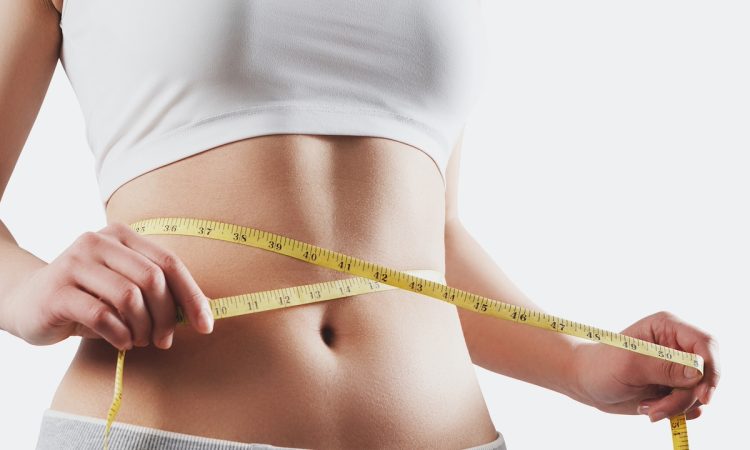
Weight loss is one of the most commonly pursued health goals globally, yet it remains a complex and multifaceted process. Achieving sustainable weight loss requires an understanding of metabolic principles, nutrition science, physical activity, hormonal influences, and behavioral strategies. Evidence-based approaches are essential to ensure long-term success, prevent muscle loss, and maintain overall wellness.
Weight loss is not just about reducing numbers on a scale; it involves improving body composition, metabolic health, and reducing the risk of chronic diseases such as type 2 diabetes, cardiovascular conditions, and obesity-related inflammation. A comprehensive strategy combines dietary optimization, targeted exercise, behavioral interventions, and mindful lifestyle changes.
Understanding the Science of Weight Loss
Weight loss occurs when the body expends more calories than it consumes, creating a caloric deficit. However, the process is not purely mathematical; several physiological and psychological factors influence outcomes:
- Basal Metabolic Rate (BMR): The energy your body requires at rest, influenced by age, sex, genetics, and lean body mass.
- Thermic Effect of Food (TEF): Calories burned during digestion and nutrient metabolism. Protein-rich foods have a higher TEF compared to fats and carbohydrates.
- Activity-Induced Energy Expenditure: Calories burned during exercise, daily movement, and non-exercise activity thermogenesis (NEAT).
- Hormonal Regulation: Hormones like insulin, leptin, ghrelin, cortisol, and thyroid hormones affect appetite, satiety, and fat storage.
Understanding these mechanisms enables a strategic approach that balances caloric reduction with metabolic preservation, preventing weight regain and nutrient deficiencies.
Evidence-Based Dietary Strategies
Nutrition plays a pivotal role in weight loss. Evidence-based strategies focus on nutrient density, satiety, and metabolic support rather than extreme caloric restriction:
1. High-Protein Diets
Protein enhances satiety, preserves lean muscle mass during caloric deficits, and increases thermogenesis:
- Recommended Intake: 1.6–2.2 grams of protein per kilogram of body weight for individuals aiming for fat loss.
- Sources: Lean meats, fish, eggs, dairy, legumes, and high-quality protein powders.
- Benefits: Improved fat loss while maintaining or increasing muscle mass, reduced hunger, and stabilized blood sugar levels.
2. Low-Glycemic Index (GI) Carbohydrates
Focusing on complex carbohydrates with a low glycemic index stabilizes blood glucose and reduces insulin spikes:
- Examples: Whole grains, legumes, sweet potatoes, and non-starchy vegetables.
- Impact: Reduces cravings, improves energy stability, and supports fat oxidation.
3. Healthy Fats for Satiety and Hormonal Balance
Including mono- and polyunsaturated fats supports satiety, hormonal function, and nutrient absorption:
- Sources: Avocado, olive oil, nuts, seeds, and fatty fish.
- Note: Avoid trans fats and limit highly processed oils, as they contribute to inflammation and metabolic dysfunction.
4. Caloric Cycling and Meal Timing
Strategic timing and distribution of calories can optimize fat loss:
- Intermittent Fasting: Cycles of fasting and eating can reduce caloric intake, improve insulin sensitivity, and support metabolic flexibility.
- Front-Loaded Caloric Intake: Consuming higher calories earlier in the day may improve satiety and energy utilization.
5. Fiber-Rich Foods
Dietary fiber enhances fullness, supports gut health, and modulates nutrient absorption:
- Sources: Vegetables, fruits, whole grains, and legumes.
- Benefits: Reduces overeating, stabilizes blood glucose, and promotes a healthy microbiome.
Exercise Strategies for Optimal Fat Loss
While diet primarily drives weight loss, exercise preserves lean mass, boosts metabolism, and improves cardiovascular and metabolic health:
1. Resistance Training
Building and maintaining muscle mass increases basal metabolic rate and promotes fat oxidation:
- Frequency: 3–5 sessions per week, targeting all major muscle groups.
- Benefits: Preserves lean tissue during caloric deficits, enhances strength, and improves body composition.
2. High-Intensity Interval Training (HIIT)
Short bursts of intense activity followed by rest periods stimulate fat loss and improve cardiovascular fitness:
- Example: 30-second sprints followed by 1–2 minutes of walking, repeated for 15–20 minutes.
- Benefits: Increases post-exercise oxygen consumption (EPOC), leading to higher calorie burn after workouts.
3. Low-Intensity Steady-State (LISS) Cardio
Activities like walking, cycling, or swimming at moderate intensity complement resistance training:
- Role: Supports fat oxidation, aids recovery, and improves endurance.
- Integration: LISS can be performed on non-strength training days or as active recovery.
4. Non-Exercise Activity Thermogenesis (NEAT)
Small lifestyle activities contribute significantly to daily energy expenditure:
- Examples: Walking, taking stairs, household chores, and standing desks.
- Impact: Consistently high NEAT levels correlate with sustainable weight loss.
Behavioral and Lifestyle Factors
Weight loss is deeply influenced by habits, sleep, and stress management:
- Sleep Quality: 7–9 hours of sleep per night supports hormonal balance, appetite regulation, and recovery.
- Stress Management: Chronic stress elevates cortisol, promoting visceral fat accumulation and increased appetite.
- Mindful Eating: Slowing down, tracking hunger cues, and avoiding distractions during meals improve satiety and reduce overeating.
- Consistency over Perfection: Small, sustainable changes are more effective than extreme diets or exercise routines.
Common Weight Loss Pitfalls
- Overemphasis on Scale Weight: Focus on body composition and health markers rather than just pounds lost.
- Skipping Meals: Can slow metabolism, increase cravings, and promote overeating later.
- Relying on Supplements Alone: Supplements can support, but not replace, diet and exercise strategies.
- Neglecting Resistance Training: Leads to muscle loss, slower metabolism, and poorer long-term outcomes.
Evidence-Based Supplements for Weight Loss
Certain supplements may support weight loss when combined with diet and exercise:
- Caffeine: Enhances energy expenditure and fat oxidation.
- Green Tea Extract: Provides catechins that may modestly increase fat metabolism.
- Protein Supplements: Aid satiety and preserve lean mass during caloric deficits.
- Fiber Supplements: Promote fullness and reduce caloric intake.
Professional guidance ensures appropriate dosing and safety while preventing dependency or adverse effects.
Frequently Asked Questions (FAQ)
1. How fast is safe weight loss?
A sustainable rate is 0.5–1 kg (1–2 pounds) per week. Rapid weight loss often leads to muscle loss and rebound weight gain.
2. Can I lose fat without exercising?
Yes, diet primarily drives fat loss, but exercise preserves muscle, improves metabolism, and enhances long-term results.
3. Does intermittent fasting work for everyone?
It can be effective, but individual tolerance, medical conditions, and lifestyle factors determine suitability.
4. How do I prevent weight regain?
Gradual reintroduction of calories, continued exercise, and behavior modification strategies reduce the risk of regaining weight.
5. Are low-carb diets more effective than low-fat diets?
Both can be effective for fat loss if a caloric deficit is maintained. Personal preference, sustainability, and metabolic response should guide choice.
6. Do supplements guarantee weight loss?
No, supplements support fat loss but cannot replace proper nutrition, exercise, and lifestyle changes.
7. How important is hydration for weight loss?
Adequate hydration supports metabolism, reduces appetite, and aids in digestion and exercise performance.
Sustainable weight loss requires a holistic approach that integrates nutrition, exercise, behavioral strategies, and lifestyle modifications. Focusing on evidence-based principles ensures effective fat loss while maintaining health, muscle mass, and metabolic function, leading to long-term success and improved overall wellness.