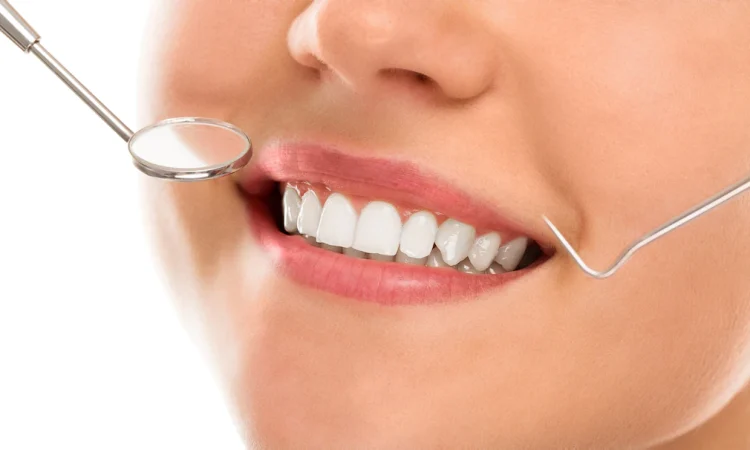
Dental health plays a crucial role in overall well-being, affecting not only the mouth but also systemic health, self-esteem, and quality of life. Maintaining optimal oral hygiene involves more than just brushing and flossing; it requires a thorough understanding of preventive care, advanced treatments, nutrition, and lifestyle factors. This article provides an in-depth exploration of the dental field, highlighting evidence-based practices, innovative treatments, and strategies for achieving long-term oral health.
Dental care is a critical aspect of personal health that often reflects broader physical health conditions. Poor dental hygiene is linked to chronic diseases such as diabetes, cardiovascular issues, and even cognitive decline. By understanding modern dental principles, individuals can proactively protect their oral health and prevent complications that may extend beyond the mouth.
The Anatomy and Function of Teeth
Teeth are complex structures designed for mastication, speech, and aesthetic purposes. Each tooth consists of multiple layers:
- Enamel: The outermost layer, highly mineralized and protective, prevents decay.
- Dentin: Beneath the enamel, it supports the tooth structure and transmits sensations.
- Pulp: The innermost part containing nerves and blood vessels, critical for tooth vitality.
- Cementum: Covers the tooth root and anchors it within the jawbone via periodontal ligaments.
Teeth are categorized into four main types:
- Incisors: Located at the front, primarily for cutting food.
- Canines: Pointed teeth for tearing.
- Premolars: Transitional teeth that aid in grinding.
- Molars: Back teeth designed for crushing and grinding food efficiently.
Understanding tooth anatomy is essential for recognizing potential issues such as cavities, gum disease, and structural damage, which may require targeted interventions.
Common Dental Conditions
Dental problems range from mild sensitivity to severe infections. Awareness and early intervention can prevent progression and reduce treatment complexity. Key conditions include:
Dental Caries
Dental caries, commonly known as cavities, occur when bacteria in the mouth produce acids that erode enamel. Factors influencing caries development include poor oral hygiene, high sugar intake, and genetic predisposition. Advanced cavities may penetrate the pulp, causing pain, infection, and possible tooth loss.
Periodontal Disease
Periodontal or gum disease affects the supporting structures of teeth, including gums, periodontal ligaments, and alveolar bone. Gingivitis represents early inflammation and is reversible with proper care. If untreated, it may progress to periodontitis, causing gum recession, bone loss, and tooth mobility.
Tooth Sensitivity
Sensitivity arises when dentin becomes exposed due to enamel erosion or gum recession. Patients experience discomfort when consuming hot, cold, or acidic foods. Professional interventions include desensitizing agents, fluoride treatments, and protective dental restorations.
Oral Infections
Bacterial, viral, or fungal infections, such as abscesses or candidiasis, can significantly affect oral health. Symptoms may include swelling, pain, and fever. Timely dental evaluation and targeted treatment are necessary to prevent systemic complications.
Malocclusion
Misalignment of teeth or improper bite patterns can lead to difficulties in chewing, jaw pain, and temporomandibular joint disorders. Orthodontic treatments, including braces and clear aligners, correct malocclusion and improve function and aesthetics.
Preventive Dental Care Strategies
Preventive dental care forms the foundation of long-term oral health. It involves regular hygiene practices, dietary management, and professional supervision.
Daily Oral Hygiene
- Brushing: Use fluoride toothpaste and a soft-bristled brush at least twice daily. Employ proper techniques to reach all tooth surfaces.
- Flossing: Removes interproximal plaque and debris inaccessible to brushes. Daily flossing is critical for gum health.
- Mouth Rinses: Antimicrobial or fluoride mouthwashes can reduce bacterial load and strengthen enamel.
Nutrition and Lifestyle
Diet significantly impacts dental health. Key recommendations include:
- Limiting sugary and acidic foods to prevent enamel erosion and cavities.
- Ensuring adequate intake of calcium, vitamin D, and phosphorus to support teeth and bone health.
- Avoiding tobacco products, which increase the risk of periodontal disease, oral cancer, and tooth staining.
Regular Dental Visits
Routine dental check-ups every six months allow early detection of cavities, gum disease, and oral cancers. Professional cleanings remove tartar, which cannot be eliminated by brushing alone, reducing the risk of periodontal disease.
Advanced Dental Treatments
Modern dentistry offers numerous treatments to restore function, aesthetics, and oral health. Innovations have enhanced precision, comfort, and outcomes.
Restorative Dentistry
Restorative procedures repair damaged teeth and restore function:
- Fillings: Composite or amalgam materials repair cavities.
- Crowns: Cover damaged teeth to restore structure and protect against further decay.
- Bridges: Replace missing teeth and maintain occlusion.
Endodontics
Endodontic therapy, or root canal treatment, addresses pulp infections. By removing infected tissue and sealing the tooth, endodontics prevents tooth loss and preserves natural dentition.
Periodontics
Periodontal treatments focus on gum health. Scaling and root planing remove tartar and bacterial biofilms below the gum line, promoting tissue healing. In severe cases, surgical interventions like flap surgery or bone grafting restore gum and bone support.
Orthodontics
Orthodontic solutions realign teeth and improve bite patterns. Traditional braces, clear aligners, and functional appliances correct malocclusion, enhance aesthetics, and prevent occlusal trauma.
Cosmetic Dentistry
Cosmetic procedures improve the visual appearance of teeth:
- Teeth Whitening: Removes stains and brightens smiles.
- Veneers: Thin shells of porcelain or composite improve shape, color, and alignment.
- Bonding: Repairs chips or minor defects using tooth-colored resin.
Implantology
Dental implants provide long-term solutions for missing teeth. Titanium posts integrate with the jawbone, offering stability for crowns, bridges, or dentures. Implants preserve bone health and maintain facial structure.
Digital Dentistry
Technological advancements have revolutionized dental diagnostics and treatment:
- 3D Imaging and CBCT Scans: Offer precise visualization of dental and bone structures.
- CAD/CAM Restorations: Allow on-site fabrication of crowns and veneers, reducing treatment time.
- Laser Dentistry: Minimizes tissue trauma and enhances precision in procedures like gum reshaping and cavity removal.
Pediatric Dental Care
Early dental care shapes lifelong oral health habits. Pediatric dentistry emphasizes prevention, education, and intervention for children.
- Fluoride Treatments: Strengthen enamel in developing teeth.
- Sealants: Protective coatings on molars reduce the risk of cavities.
- Behavioral Guidance: Encourages positive oral hygiene practices and reduces dental anxiety.
Parental involvement in teaching proper brushing, limiting sugary snacks, and scheduling routine visits is essential for pediatric oral health.
Dental Health and Systemic Conditions
Oral health is closely linked to systemic health. Evidence indicates associations between periodontal disease and conditions such as:
- Cardiovascular Disease: Chronic gum inflammation may contribute to atherosclerosis and heart disease.
- Diabetes: Poor glycemic control increases susceptibility to periodontal infections, while gum disease can exacerbate blood sugar levels.
- Pregnancy Complications: Gum disease is linked to preterm birth and low birth weight.
- Respiratory Illnesses: Inhalation of oral bacteria can aggravate conditions like pneumonia, especially in older adults.
These connections highlight the importance of maintaining dental health as part of a holistic healthcare approach.
Dental Emergencies and Immediate Care
Dental emergencies require prompt attention to prevent complications:
- Tooth Fractures: Stabilize the tooth and seek urgent dental evaluation.
- Avulsed Teeth: Immediate reimplantation within 30 minutes increases success rates.
- Severe Pain or Swelling: May indicate abscess or infection requiring antibiotics or drainage.
- Bleeding or Trauma: Apply pressure, maintain oral hygiene, and consult a dentist quickly.
Preparedness and knowledge of first-aid steps can preserve oral structures and prevent further damage.
Choosing the Right Dental Professional
Selecting a qualified dentist is crucial for comprehensive care. Considerations include:
- Credentials: Verify licensure and specialization if needed.
- Experience: Assess track record in specific treatments like implants or orthodontics.
- Technology: Availability of modern diagnostic tools and treatment options enhances care quality.
- Patient-Centered Approach: Communication, empathy, and education are key indicators of quality service.
Maintaining a long-term relationship with a trusted dental professional supports preventive care and early intervention.
Frequently Asked Questions (FAQ)
1. How often should I visit the dentist if I have healthy teeth?
Even with optimal oral hygiene, biannual check-ups are recommended to detect early issues, remove tartar, and monitor for systemic risk factors.
2. Can teeth whitening damage enamel?
Professional whitening, when performed according to guidelines, is safe and minimally affects enamel. Overuse of at-home products may cause sensitivity or enamel erosion.
3. Are dental implants suitable for everyone?
Implants require adequate bone density and healthy gums. Patients with uncontrolled diabetes or smokers may need additional evaluation or treatment planning.
4. How can I reduce dental anxiety before procedures?
Strategies include open communication with the dentist, relaxation techniques, sedation options if necessary, and gradual exposure to dental care.
5. Can gum disease be reversed?
Early-stage gum disease (gingivitis) is reversible with proper hygiene and professional cleanings. Advanced periodontitis can be managed but may not be fully reversible.