Acupressure, an ancient technique rooted in Traditional Chinese Medicine (TCM), has grown increasingly popular in modern wellness practices for its ability to support physical, emotional, and mental health. This therapeutic method involves applying pressure to specific points on the body to stimulate natural healing processes and improve overall well-being. Unlike invasive medical procedures, acupressure is non-pharmacological, safe when performed correctly, and accessible for self-care or professional treatment. This article explores the science, benefits, techniques, and practical applications of acupressure, providing a detailed understanding for anyone seeking holistic health solutions.
Understanding Acupressure and Its Origins
Acupressure has a rich history dating back over 5,000 years. Originating in China, it is a cornerstone of Traditional Chinese Medicine, which views the body as an interconnected system of energy pathways called meridians. These meridians are channels through which Qi (pronounced “chee”), or vital life energy, flows. According to TCM, disruptions in the flow of Qi can lead to pain, fatigue, and illness. Acupressure works by targeting specific acupoints along these meridians to restore balance, release tension, and promote healing.
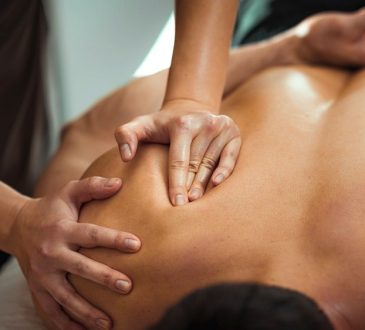
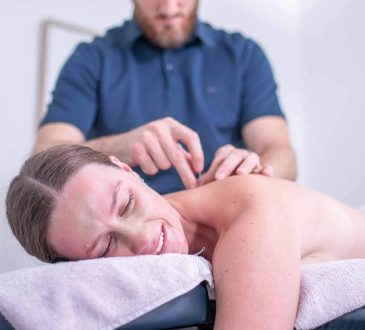
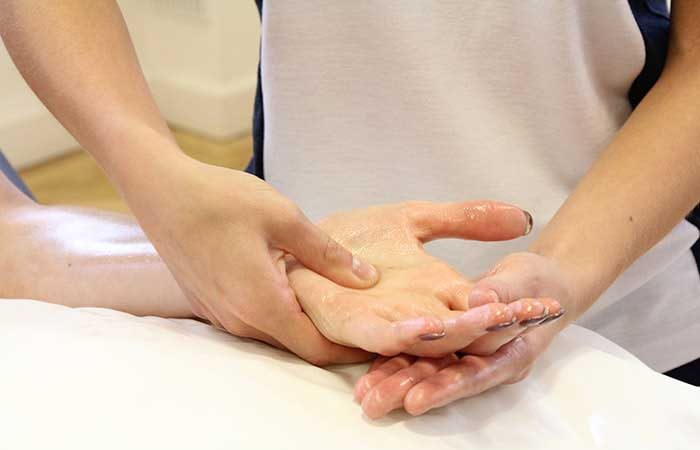
Unlike acupuncture, which uses needles, acupressure employs the fingers, palms, elbows, or specialized tools to exert pressure on the acupoints. This makes it an approachable method for self-treatment while maintaining the fundamental principle of stimulating energy flow to enhance the body’s natural capacity to heal.
How Acupressure Works
Acupressure operates through several interrelated mechanisms:
Physical Stimulation of Tissues
When pressure is applied to an acupoint, it stimulates nerves, muscles, and connective tissues. This triggers increased blood circulation, which helps deliver oxygen and essential nutrients to tissues while facilitating the removal of metabolic waste. Enhanced circulation can accelerate recovery from injuries and reduce inflammation in affected areas.
Nervous System Regulation
Acupressure influences the autonomic nervous system, helping to balance the sympathetic (fight or flight) and parasympathetic (rest and digest) responses. This regulatory effect can alleviate stress, reduce anxiety, and promote relaxation, making it particularly beneficial for individuals with high-stress lifestyles.
Endorphin Release
Pressure on acupoints prompts the release of endorphins, natural pain-relieving chemicals produced by the body. This mechanism can reduce discomfort from chronic pain conditions such as arthritis, migraines, or lower back pain.
Energy Flow Restoration
According to TCM, acupressure removes blockages in the meridians, restoring the flow of Qi. This energy balance is believed to improve immune function, mental clarity, and overall vitality.
Key Benefits of Acupressure
Acupressure offers a broad spectrum of benefits supported by both traditional wisdom and modern scientific research:
Pain Management
Acupressure is commonly used to alleviate various forms of pain, including:
- Headaches and migraines: Targeting points like LI4 (Hegu) between the thumb and index finger can reduce headache severity and frequency.
- Neck and shoulder tension: Points such as GB21 (Jianjing) help release muscle tightness from prolonged desk work or stress.
- Lower back pain: BL23 (Shenshu) and other lumbar acupoints improve blood flow and reduce stiffness.
Stress and Anxiety Reduction
Applying acupressure to points like PC6 (Neiguan) on the inner wrist can lower cortisol levels, promoting relaxation and emotional stability. Consistent practice may enhance mood, reduce anxiety symptoms, and improve sleep quality.
Digestive Health Improvement
Certain acupoints influence gastrointestinal function, helping with issues like indigestion, nausea, and constipation. ST36 (Zusanli) on the lower leg is renowned for boosting digestive energy and promoting regular bowel movements.
Immune System Support
Acupressure may enhance immunity by stimulating lymphatic circulation and boosting white blood cell activity. Regular practice is associated with better resistance to infections and faster recovery from illness.
Hormonal Balance and Women’s Health
Acupressure can support menstrual health, relieve cramps, and reduce premenstrual syndrome (PMS) symptoms. Points like SP6 (Sanyinjiao) are traditionally used to regulate hormonal cycles and ease reproductive discomfort.
Mental Clarity and Energy Boost
By improving Qi flow and reducing physical tension, acupressure can enhance concentration, reduce mental fatigue, and increase overall energy levels. Incorporating brief acupressure sessions into daily routines can provide an instant mental refresh.
Popular Acupressure Techniques
Acupressure involves various methods, each tailored to the target outcome. Some widely used techniques include:
- Finger Pressure: Using thumbs, index fingers, or knuckles to apply firm, steady pressure to specific points.
- Circular Massage: Applying gentle, circular motions to stimulate acupoints and surrounding tissue.
- Percussion or Tapping: Light, rhythmic tapping on acupoints can enhance energy flow and provide quick relief from tension.
- Acupressure Tools: Small devices such as acupressure mats, balls, or handheld massagers allow precise stimulation, particularly for self-care at home.
Step-by-Step Basic Acupressure Routine:
- Identify the acupoint related to your concern (e.g., LI4 for headaches).
- Apply firm but comfortable pressure using the thumb or finger.
- Maintain pressure for 1-3 minutes while breathing deeply.
- Massage in small circular motions to enhance stimulation.
- Repeat on the opposite side of the body if necessary.
Consistency is crucial, and integrating acupressure into a daily wellness routine can maximize long-term benefits.
Acupressure for Specific Health Conditions
Headaches and Migraines
Acupressure for headaches often targets LI4 (Hegu) and GB20 (Fengchi) points. Studies indicate that stimulating these points can reduce headache intensity and frequency by promoting blood flow and releasing endorphins.
Insomnia and Sleep Disorders
Points like HT7 (Shenmen) and SP6 (Sanyinjiao) help calm the mind and regulate the nervous system. Regular practice before bedtime can enhance sleep quality and duration, reducing reliance on pharmacological sleep aids.
Digestive Disorders
ST36 (Zusanli) and CV12 (Zhongwan) are effective for improving digestion and alleviating nausea. Research shows that acupressure can enhance gastric motility and reduce symptoms in patients with functional dyspepsia.
Stress and Anxiety
PC6 (Neiguan) and LV3 (Taichong) points are frequently used to modulate stress responses. Clinical trials have demonstrated measurable reductions in anxiety scores among participants practicing acupressure regularly.
Musculoskeletal Pain
For chronic pain in joints or muscles, acupressure on local points combined with meridian points can provide relief. Techniques like deep pressure and circular massage stimulate circulation and reduce inflammation.
Integrating Acupressure into Daily Life
Acupressure can be seamlessly incorporated into modern lifestyles. Here are practical tips:
- Morning Energy Boost: Apply pressure to ST36 (Zusanli) and LI10 (Shousanli) to energize the body.
- Desk Relief: Use PC6 (Neiguan) and GB21 (Jianjing) to relieve neck, shoulder, and wrist tension during work.
- Evening Relaxation: HT7 (Shenmen) and SP6 (Sanyinjiao) help unwind and prepare the body for restful sleep.
- Self-Massage Sessions: 10–15 minutes daily can improve circulation, reduce pain, and enhance overall well-being.
Acupressure is also complementary to other wellness practices, such as yoga, meditation, and Tai Chi, creating a synergistic effect that promotes holistic health.
Safety Considerations
While acupressure is generally safe, there are precautions to consider:
- Avoid applying pressure on broken skin, bruises, or areas with infections.
- Pregnant individuals should avoid certain acupoints like LI4 and SP6 unless guided by a trained professional.
- Individuals with severe medical conditions, such as heart disease or uncontrolled hypertension, should consult a healthcare provider before starting acupressure.
- Pressure should be firm but comfortable; excessive force can cause bruising or discomfort.
For optimal results, learning from certified acupressure practitioners or reliable instructional resources is recommended.
Evidence-Based Insights
Modern research has begun to validate acupressure’s effectiveness in a variety of health contexts. Some notable findings include:
- Reduction in postoperative nausea and vomiting in patients receiving acupressure at P6 (Neiguan) during surgery.
- Improvement in chronic lower back pain and mobility among adults practicing acupressure regularly.
- Decrease in anxiety and stress biomarkers, including cortisol levels, in participants undergoing daily acupressure.
- Enhancement of sleep quality and reduction in insomnia symptoms in older adults practicing acupressure before bedtime.
These studies underscore the integration of traditional methods with contemporary healthcare approaches, reinforcing acupressure’s relevance in holistic health management.
Frequently Asked Questions (FAQ)
1. Can acupressure replace medication for chronic pain?
Acupressure can complement conventional pain management but should not replace prescribed medications without consulting a healthcare provider. It may reduce reliance on painkillers over time when integrated into a comprehensive care plan.
2. How long does it take to feel results from acupressure?
Some individuals experience immediate relief, particularly for tension headaches or stress. Chronic conditions may require consistent practice over weeks or months to notice substantial improvements.