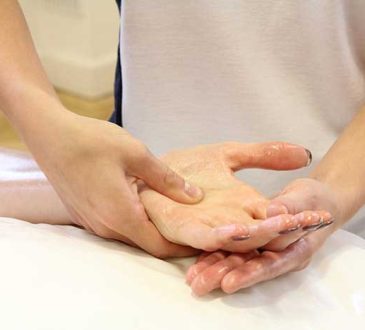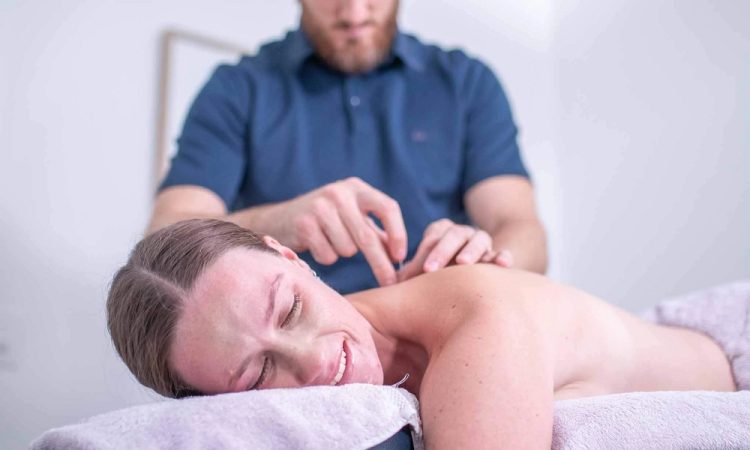
Acupressure is a time-tested healing modality rooted in Traditional Chinese Medicine that uses physical pressure applied to specific meridian points to clear blockages, relieve muscular tension, and balance internal energy. While the physical technique—precise finger pressure, circular kneading, and controlled breathing—is critical to a successful session, the setting where the treatment takes place is equally decisive.
The human nervous system reacts continuously to environmental stimuli. Bright overhead lighting, sudden loud noises, cold drafts, and visual clutter all keep the sympathetic nervous system on high alert, locking the body into a state of subtle tension. When the body is tense, muscles contract and resist pressure, making it far more difficult to access deep acupoints and achieve the profound physiological relaxation that acupressure is designed to provide.
Transforming your space into an intentional, soothing sanctuary shifts the autonomic nervous system into parasympathetic mode. In this rest-and-digest state, blood vessels dilate, heart rate stabilizes, pain perception decreases, and the natural therapeutic mechanisms of acupressure can work without internal resistance.
The Science of Environmental Calming
Creating a healing environment is not simply an aesthetic preference; it is a neurological strategy. Every sensory channel feeds directly into the limbic system, the brain’s emotional and threat-processing core.
When you systematically calm the senses, several physiological changes occur:
-
Lowered muscle tone: Reducing sensory input allows skeletal muscles to relax their baseline resting tension, allowing the practitioner to reach deep meridian channels with minimal force.
-
Diminished nociception: A relaxed nervous system experiences lower sensitivity to pain, turning intense pressure at tender acupoints into a relieving sensation rather than a painful reflex.
-
Balanced respiratory patterns: Gentle, predictable surroundings encourage slow diaphragmatic breathing, which optimizes oxygen saturation and assists the movement of vital energy throughout the body.
-
Enhanced mental presence: Removing environmental distractions helps both the giver and receiver stay attuned to the subtle shifts in tissue density and warmth during the session.
By addressing each sensory domain deliberately, you establish a space that invites total physical surrender.
Mastering Ambient Lighting and Visual Harmony
Sight is the most dominant sense in human environmental processing. Harsh, artificial lighting stimulates cognitive alertness and keeps the brain actively processing visual boundaries.
Softening the Light Profile
Avoid high-intensity ceiling lights, exposed fluorescent bulbs, or direct downward spotlights. Instead, rely on indirect, layered lighting sources:
-
Dimmable table and floor lamps: Use warm-spectrum bulbs (between 2200K and 2700K) positioned low to the ground to cast a soft, golden glow across the room.
-
Natural daylight management: If conducting a session during daytime hours, filter intense sunlight using sheer linen curtains or adjustable wooden blinds to create a gentle, diffused radiance.
-
Beeswax or unscented candles: Placing a few natural candles in secure corners introduces a soft, organic flicker that naturally downregulates visual arousal.
-
Eye coverings: Keep clean, soft silk eye pillows or lightly weighted linen masks on hand. Placing an eye pillow over the recipient’s eyes during points worked on the limbs or abdomen blocks residual light completely and relieves orbital tension.
Eliminating Visual Clutter
Visual disorder translates into mental static. A room filled with stacks of paperwork, tangled electronic cords, unwashed laundry, or overflowing shelves forces the brain to continuously scan and organize the visual field.
Clear the treatment area of all extraneous items. Keep surfaces sparse and clean. Choose muted, earthy color palettes—such as warm grays, soft taupes, sage greens, or muted terracottas—for blankets, walls, and furnishings. A simple, uncluttered visual horizon allows the mind to quiet down the moment you step into the room.
Auditory Curation: Managing Sound and Silence
The auditory cortex remains vigilant even when the eyes are closed. A sudden car horn, a buzzing refrigerator, or an abrupt ringtone can immediately undo fifteen minutes of deep relaxation, triggering a sharp spike in cortisol and a protective tightening of the trapezius and spinal muscles.
Building an Acoustic Buffer
To shield the space from external disruptions, establish a steady auditory baseline:
-
Continuous broadband sound: High-quality sound machines generating pink noise or brown noise offer deeper, warmer low-frequency profiles than standard white noise, masking street noise and domestic foot traffic effectively.
-
Natural soundscapes: Slow-tempo recordings of gentle rain, distant ocean swells, or gentle mountain streams provide organic auditory grounding without creating distracting rhythmic loops.
-
Minimalist acoustic music: If choosing musical accompaniment, select compositions that lack lyrics, prominent vocal tracks, or unpredictable tempo shifts. Ambient instrumentation utilizing classical guitar, native flutes, or soft singing bowls played at low volume keeps the mind relaxed.
-
Absolute device silence: Place all phones, tablets, and smart devices in another room, or switch them to complete silent mode with vibration settings turned off entirely.
Thermal Comfort and Tactile Surface Setup
Physical comfort is non-negotiable in bodywork. When a person feels slightly chilly, the body instinctively shivers and contracts its superficial fascia to conserve core body heat. This natural defense mechanism prevents the deep, pliable muscle release necessary for effective acupressure.
Regulating Room Temperature
During a session, metabolic activity slows down and blood pressure drops, causing body temperature to decline naturally. Set the ambient room temperature between 70 and 74 degrees Fahrenheit (21 to 23 degrees Celsius). Keep a quiet space heater or fan accessible so you can adjust the temperature immediately based on individual feedback.
Supporting the Kinetic Chain
Acupressure requires firm, stable support so that applied downward pressure does not cause the recipient’s joints to hyperextend or sag uncomfortably.
-
Supportive base: A firm massage table, a traditional Japanese futon (shikibuton) on the floor, or a dense, wide exercise mat provides the best foundation. Soft mattresses allow the body to sink unevenly, making it difficult to deliver stable, perpendicular force to meridian points.
-
Layered linens: Cover the base with soft, natural fabrics such as unbleached cotton, flannel, or linen that breathe easily while holding warmth.
-
Strategic bolster placement: Place cylindrical bolsters or rolled towels under the knees when the person is lying face-up to release tension in the lumbar spine. When they lie face-down, place a small pillow under the ankles to relax the calves and Achilles tendons.
-
Extra warmth layers: Have several lightweight, warm fleece or wool blankets available to cover areas of the body that are not actively being worked on.
Olfactory Integration and Air Purity
The sense of smell bypasses the thalamus and connects directly to the olfactory bulb and amygdala, making scent a powerful tool for shifting mood and stress levels within seconds.
Ensuring Fresh, Clean Air
Before introducing any soothing scents, prioritize clean air:
-
Ventilation: Open windows for ten to fifteen minutes prior to the session to clear out stagnant air and replenish indoor oxygen levels.
-
Air filtration: Run a true HEPA air purifier equipped with an activated carbon filter to eliminate airborne allergens, dust particles, and lingering odors.
Subtlety in Aromatherapy
When using scents, moderation is critical. Heavy, concentrated aromas can trigger headaches, nausea, or allergic reactions, particularly for individuals with respiratory sensitivities.
-
Calming essential oils: True lavender, sweet marjoram, Roman chamomile, frankincense, and bergamot are classic choices known to promote parasympathetic activation.
-
Ultrasonic cold-air diffusers: Use a diffuser that disperses micro-droplets of pure essential oils in water vapor, adding only two to three drops to keep the aroma faint and gentle.
-
Safe distance: Position the diffuser several feet away from the head of the treatment surface so the scent drifts naturally across the room rather than concentrating directly over the recipient’s face.
Preparing the Practitioner’s Energetic and Physical Presence
The practitioner is the most active element in the environment. Your internal emotional state, physical hygiene, and deliberate movements set the emotional tone for the entire session.
-
Warm, clean hands: Cold hands cause an involuntary physical flinch that contracts the superficial tissues. Wash your hands thoroughly with warm water and natural soap immediately before starting, and rub your palms together to generate gentle warmth before making initial contact.
-
Trimmed nails and clean attire: Ensure fingernails are trimmed short and filed smooth so pressure is applied solely with the soft pads of your thumbs, fingers, and palms. Wear loose, quiet, breathable clothing made from natural fibers that allows you to move easily around the table or mat without fabric rustling.
-
Centering and grounding: Spend two to three minutes before the session taking deep, slow breaths. Settle your own mind and set aside daily worries so you can bring steady, patient focus to every acupoint you touch.
Frequently Asked Questions
What should I do if a treatment room lacks windows or natural light?
In windowless rooms, avoid turning on harsh overhead fluorescent bulbs. Instead, use multiple soft, warm-toned lamps positioned in opposite corners at varying heights. Using warm-spectrum LED bulbs with frosted shades or salt lamps creates a cozy, welcoming atmosphere that prevents the space from feeling enclosed or sterile.
Is it better to conduct an acupressure session on a floor mat or a massage table?
Both setups offer distinct advantages. A floor mat allows the practitioner to use their body weight and leverage effortlessly, which is ideal for broad palm pressure and techniques that involve gentle limb stretches. A massage table is easier on the practitioner’s knees and lower back and is often more accessible for individuals who have difficulty getting down to or up from the floor. The key is ensuring whichever surface you choose is firm and well-padded.
Can strong incense be used to prepare a room for an acupressure session?
It is best to avoid burning heavy resin or charcoal-based incense immediately before or during a session. Incense produces smoke particulates that can irritate the respiratory tract, cause throat tickling, and trigger allergic coughing fits when a person is breathing deeply. If you enjoy herbal clearing traditions, burn pure botanicals like sage or palo santo hours beforehand, and ventilate the room thoroughly before the session begins.
How do I handle unexpected loud noises outside during a session?
If a sudden loud noise occurs, acknowledge it calmly without showing irritation or breaking the steady rhythm of your touch. Maintain smooth, consistent contact with the current acupoint, take a slow, deliberate breath, and encourage the recipient to exhale deeply. Your calm, grounded reaction will signal to their nervous system that there is no danger, allowing them to settle back into relaxation quickly.
What type of clothing should the recipient wear during an acupressure session?
Unlike oil massage, acupressure is traditionally practiced with the recipient fully clothed. Advise the recipient to wear loose, comfortable, lightweight clothing made of natural fibers like cotton, modal, or bamboo. Avoid stiff fabrics like denim, as well as clothing with bulky seams, belts, metal zippers, or tight elastic bands that could dig into the skin or obstruct access to meridian pathways.
How can I make a shared or multi-purpose living space feel like a dedicated healing room?
To temporarily transform a bedroom or living room, use physical and sensory boundaries. Set up a lightweight folding decorative screen to hide desks, televisions, or clutter. Lay down a clean, dedicated blanket or mat that is only used for bodywork, lower the room lighting, turn on a sound machine to mask domestic noises, and use a dedicated calming scent to mentally cue that the space has shifted into a restorative sanctuary.
Should clients drink cold water after a session in a warm room?
It is strongly recommended to offer room-temperature or warm water, or a mild herbal tea like chamomile or peppermint, rather than iced water. In Traditional Chinese Medicine, cold liquids shock the digestive system, constrict internal blood vessels, and stagnate energy flow immediately after a session has successfully opened circulation. Warm fluids help flush out liberated metabolic waste while sustaining the relaxing warmth cultivated throughout the body.