VO2 max is one of the single best predictors of longevity and cardiovascular health. It measures the maximum amount of oxygen your body can use during intense exercise.
Higher VO2 max correlates with:
- Lower all-cause mortality risk
- Better cognitive function as you age
- Improved quality of life in later decades
- Greater capacity for physical activity without fatigue
Despite its importance, most people who train at a fitness gym singapore never specifically work on improving their VO2 max. They do cardio, but they’re not training in the intensity zone that actually drives VO2 max improvements.
This is a massive missed opportunity.
What VO2 Max Actually Measures
VO2 max is expressed in millilitres of oxygen per kilogram of body weight per minute. A typical sedentary adult might have a VO2 max of 30-35 ml/kg/min. An elite endurance athlete can exceed 70 ml/kg/min.
The number represents how efficiently your cardiovascular system delivers oxygen to working muscles and how effectively those muscles use that oxygen to produce energy.
Improving VO2 max requires pushing your cardiovascular system to near-maximum capacity repeatedly. This creates adaptations including:
- Increased heart stroke volume
- Higher capillary density in muscles
- More mitochondria in muscle cells
- Improved oxygen extraction efficiency
These adaptations don’t happen from moderate-intensity steady-state cardio alone.
Why Standard Gym Cardio Doesn’t Improve VO2 Max
Most people use cardio equipment at a comfortable, conversational pace. They can maintain this intensity for 30 to 45 minutes while watching a screen or listening to music.
This type of cardio has value for general health and calorie burning, but it does almost nothing for VO2 max improvement once you’re past the complete beginner stage.
VO2 max improvements require training at 90-95% of maximum heart rate for intervals of 3 to 8 minutes. This is deeply uncomfortable. You cannot hold a conversation. You’re counting down the seconds until the interval ends.
Most gym-goers never push into this zone because it’s unpleasant and because they don’t understand why it’s necessary.
The Specific Protocol That Works
Research on VO2 max training has identified specific interval protocols that produce the best results. The most proven is the 4×4 method:
- 4 intervals of 4 minutes at 90-95% max heart rate
- 3 minutes active recovery between intervals
- Total workout time approximately 35 minutes including warm-up and cool-down
This protocol, done twice per week, produces measurable VO2 max improvements in 6 to 8 weeks.
The 4 minutes is critical. Shorter intervals don’t keep you in the target zone long enough. Longer intervals are difficult to sustain at the required intensity.
Which Gym Equipment Works Best for VO2 Max Training
Any cardio equipment can work for VO2 max intervals, but some are more practical than others:
Treadmill: Effective if you can handle the impact. Set it to an incline to reach target heart rate without excessive joint stress.
Rowing machine: Excellent choice. Full-body engagement and low impact. Easy to maintain consistent intensity.
Assault bike or similar air bikes: Brutal but highly effective. The harder you work, the more resistance you face, which perfectly matches VO2 max interval demands.
Spin bike: Works well if you have enough resistance available and can sustain high cadence.
The key is choosing equipment you can use with good form while extremely fatigued, which rules out complex movements.
Heart Rate Monitoring Is Non-Negotiable
You cannot do VO2 max training effectively without knowing your actual heart rate during the intervals. Perceived exertion is too unreliable.
Calculate your approximate maximum heart rate using 220 minus your age, then target 90-95% of that number during work intervals.
For example, if you’re 35 years old:
- Estimated max heart rate: 185 bpm
- Target interval heart rate: 166-175 bpm
If you’re not reaching this zone, you’re not training your VO2 max regardless of how hard it feels.
Why Most Singaporeans Avoid This Training
VO2 max intervals are genuinely difficult. They hurt. They’re mentally demanding. There’s no way to make them comfortable.
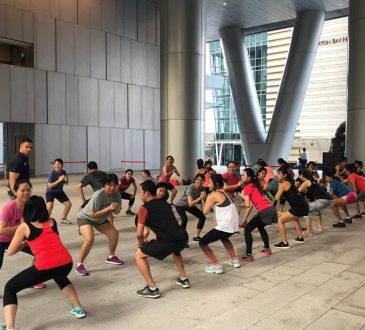
This is why group classes that include VO2 max work have much higher adherence than solo attempts. The social pressure and instructor encouragement help you push through the discomfort that you’d probably quit from if training alone.
Singapore’s fitness culture also tends to favour aesthetics-focused training over performance metrics. People will spend hours on isolation exercises for muscle definition but skip the training that most dramatically improves actual health outcomes.
Combining VO2 Max Work With Strength Training
You don’t need to abandon strength training to improve VO2 max. In fact, maintaining muscle mass while improving cardiovascular capacity produces the best overall health outcomes.
A practical weekly split might include:
- 2 strength sessions
- 2 VO2 max interval sessions
- 1-2 low-intensity recovery sessions
This provides enough stimulus for both adaptations without creating excessive recovery demands.
Tracking Progress Over Months
VO2 max improvements happen gradually. You won’t notice dramatic changes week to week, but over 8 to 12 weeks, the changes become clear.
Markers of improvement include:
- Lower heart rate at the same running or cycling speed
- Ability to sustain higher power output during intervals
- Faster heart rate recovery after interval completion
- Improved performance in activities outside the gym that require cardiovascular capacity
Some fitness gym singapore facilities offer VO2 max testing, which provides a precise baseline and allows you to track improvements objectively.
TFX Singapore incorporates high-intensity interval protocols into its programming specifically to develop cardiovascular capacity beyond what standard cardio delivers, ensuring members build both aesthetic and functional fitness.
FAQs
Q: Can VO2 max be improved at any age, or only in younger people?
VO2 max can be improved at any age through proper training. The absolute numbers decline with age, but relative improvements are possible well into your 70s and beyond.
Older adults may need slightly longer adaptation periods and more conservative progression, but the principle remains the same.
Q: How quickly does VO2 max decline if you stop training?
VO2 max declines fairly rapidly with detraining. You can lose 10-15% of your gains within 4 weeks of stopping interval training.
However, it comes back faster the second time around due to muscle memory effects. Rebuilding lost VO2 max takes less time than building it initially.
Q: Is VO2 max training safe for someone with no exercise background?
Complete beginners should build a base fitness level before attempting true VO2 max intervals. 4 to 6 weeks of moderate-intensity cardio prepares the cardiovascular system for the demands of high-intensity work.
Jumping straight into VO2 max training without this foundation increases injury risk and makes the sessions unnecessarily difficult.
Q: Can you improve VO2 max through HIIT classes, or does it require specific interval protocols?
Many HIIT classes include intervals in the appropriate heart rate zone, so they can improve VO2 max. However, generic HIIT often uses shorter intervals that don’t sustain time in zone.
The 4×4 protocol or similar structured approaches are more reliable than random HIIT formats.