How Singapore Office Workers Are Using HIIT Classes to Counter a Sedentary Lifestyle

There is a quiet health crisis unfolding in offices across Singapore. It does not show up in dramatic symptoms or sudden illness. It builds slowly, day after day, as professionals spend eight to ten hours seated at a desk, commute on the MRT, return home, and sit again through dinner and evening screen time. By the time any warning signs emerge, years of sedentary living have already left a mark on the body that goes far deeper than weight gain.
The physical consequences of prolonged sitting are well-documented and extend well beyond what most people realise. The good news is that the growing community of Singapore office workers joining hiit classes singapore are not just getting fitter. They are actively reversing some of the most damaging effects of desk-bound work in a way that moderate exercise simply cannot match.
The Anatomy of a Sedentary Office Body
To understand why HIIT is particularly effective for office workers, it helps to understand exactly what sitting for extended periods does to the body at a structural and physiological level.
When you sit for hours, your hip flexors, the muscles that connect your pelvis to your thighs, remain in a shortened position. Over time, they become chronically tight and lose their ability to lengthen fully. This pulls the pelvis into an anterior tilt, which in turn causes the lower back to arch excessively and the glutes to become underactive and weakened. This pattern is so common it has been given a clinical name: lower crossed syndrome.
Simultaneously, the muscles of the upper back and rear shoulders weaken because they are never asked to work against gravity in a seated position. The chest and front shoulder muscles tighten from the constant forward reach toward keyboards and screens. This creates rounded shoulders, a forward head posture, and reduced thoracic mobility, all of which place chronic strain on the cervical and thoracic spine.
The cardiovascular system also suffers. When you are sedentary, blood flow to the lower extremities slows, reducing the efficiency of the venous return system. This contributes to the swollen ankles and leg fatigue many office workers experience by the end of the day. Over years, reduced cardiovascular demand leads to a decline in cardiac output capacity, meaning the heart becomes less efficient at handling physical stress.
Why a Walk Is Not Enough
A common recommendation given to office workers is to take short walks during the day, use standing desks, or take the stairs. These are genuinely helpful habits and should not be abandoned. However, they do not generate the intensity required to produce the specific physiological changes that counteract long-term sedentary damage.
The body needs to be challenged at a high enough level of intensity to stimulate the production of key hormones and proteins responsible for metabolic health, muscular strength, and cardiovascular adaptation. Casual walking does not reach this threshold. HIIT, by definition, does.
High-intensity intervals create a level of cardiovascular and muscular demand that activates biological repair mechanisms throughout the body. These include the upregulation of insulin sensitivity, the release of brain-derived neurotrophic factor which supports cognitive function, the stimulation of fast-twitch muscle fibres that are rarely recruited during everyday movement, and the production of myokines, anti-inflammatory proteins released by contracting muscle tissue that have wide-ranging effects on metabolic and immune health.
What HIIT Does for Posture and Structural Damage
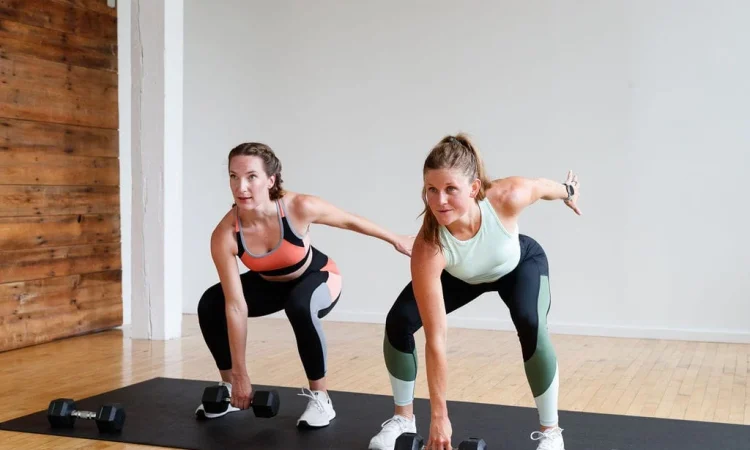
A well-designed HIIT class incorporates compound movements that engage the posterior chain, meaning the glutes, hamstrings, lower back extensors, and upper back muscles. These are precisely the muscle groups that weaken and shorten from prolonged sitting. Movements like deadlift variations, reverse lunges, rows, and hip hinge patterns directly counteract the muscular imbalances created by desk work.
Over weeks of consistent training, these muscles strengthen and regain their functional length. The glutes learn to activate again. The hip flexors are stretched under load. The upper back and rear deltoids are trained to pull the shoulders back into proper alignment. What physiotherapists spend months trying to correct through rehabilitation exercises, a well-programmed HIIT class addresses naturally through whole-body compound training.
This is not to suggest that HIIT replaces physiotherapy for those with existing injuries. If you have a diagnosed postural condition or spinal injury, always consult a healthcare professional before starting any high-intensity programme. But for the vast majority of office workers experiencing general tightness, lower back ache, and postural fatigue without structural pathology, HIIT is one of the most time-efficient corrective tools available.
Cognitive Performance and Afternoon Slumps
Singapore’s high-performance work culture places enormous value on mental sharpness, focus, and productivity. Most office workers are familiar with the mid-afternoon cognitive slump, that dip in concentration and energy that hits between 2pm and 4pm and makes complex work feel unusually difficult.
This slump is partly circadian, but it is significantly worsened by physical inactivity. Sitting for extended periods reduces blood flow to the prefrontal cortex, the region of the brain responsible for complex reasoning, decision-making, and sustained attention. Regular high-intensity exercise has been shown in multiple studies to increase cerebral blood flow, promote neuroplasticity, and enhance executive function even on days when you are not exercising.
Office workers who train consistently with HIIT report improvements in sustained focus, faster problem-solving, and better emotional regulation under workplace stress. These cognitive benefits are not peripheral to the conversation about sedentary lifestyle reversal. They are central to it, particularly in a city where professional performance is closely tied to long-term career outcomes.
Time Efficiency for the Singapore Work Schedule
One of the most practical reasons HIIT works so well for office workers is its time efficiency. A structured HIIT class typically runs for 30 minutes. In that window, you achieve cardiovascular, muscular, and metabolic training that would take considerably longer through conventional gym workouts. For professionals managing tight schedules, family responsibilities, and long commutes, this compression of training time into a high-impact session is not just convenient. It is the difference between exercising consistently and not exercising at all.
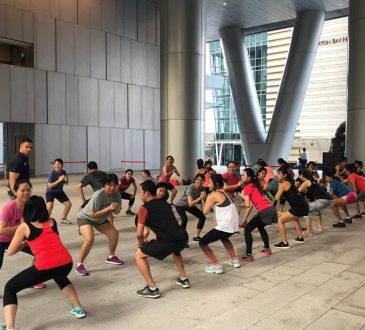
Many Singapore office workers have found success attending early morning classes before work, or lunchtime sessions at facilities located near their workplace. True Fitness Singapore branches are positioned across multiple key business districts, making it realistic to fit a class into a lunch break without sacrificing the rest of the workday.
Managing Energy Levels Through the Training Week
A common concern among office workers considering HIIT is whether the physical demand will leave them too tired for work. This is a legitimate question, particularly during the first few weeks when the body is adapting to the new stimulus.
The initial weeks may involve some muscle soreness and temporary fatigue. However, as fitness improves, most people experience the opposite effect. Regular HIIT training improves mitochondrial density in muscle cells, which means your body becomes more efficient at producing energy. Office workers who train consistently almost universally report higher daytime energy levels, better stress tolerance, and reduced afternoon fatigue compared to their sedentary period.
The key is starting at an appropriate intensity and building progressively rather than trying to train at maximum effort from the first session.
FAQ
Q. I have chronic lower back pain from sitting at a desk for years. Can I still join HIIT classes? A. Many people with desk-related lower back discomfort find that strengthening the posterior chain through supervised HIIT actually reduces their pain over time. However, it is important to inform your instructor about your condition before class so they can advise on exercise modifications. If your back pain has a diagnosed structural cause such as a herniated disc, get clearance from your doctor first.
Q. How do I manage muscle soreness when I have to be at work the next day? A. Some soreness, known as delayed onset muscle soreness, is normal in the first few weeks. It typically peaks 24 to 48 hours after a session. Staying well hydrated, doing light movement on rest days such as walking or gentle stretching, and ensuring adequate sleep all help manage it. Most people find the soreness decreases significantly after the first two to three weeks as the body adapts.
Q. Is it better to exercise before or after work for office workers? A. Both work well, but morning sessions tend to set a more energised tone for the workday and reduce the likelihood of the session being cancelled by late meetings or end-of-day fatigue. Lunchtime classes are also highly effective as they break up the sedentary window and often produce a notable afternoon productivity boost.
Q. Will HIIT make my desk-related shoulder and neck tension worse? A. If performed correctly with proper form, HIIT should not worsen neck or shoulder tension. In fact, exercises that strengthen the mid and upper back help counteract the forward rounding that causes tension in these areas. Tell your instructor if you have specific neck or shoulder issues so they can suggest form adjustments for overhead movements.
Q. How soon can I expect to feel the difference in my posture after starting HIIT classes? A. Most people notice improved body awareness and reduced muscular fatigue from sitting within four to six weeks of consistent training. Visible postural changes, such as reduced rounding of the shoulders, typically become apparent after eight to twelve weeks of regular attendance.