The Postural Reset: Why the Reformer Beats the Mat for “Text Neck” and Desk Posture

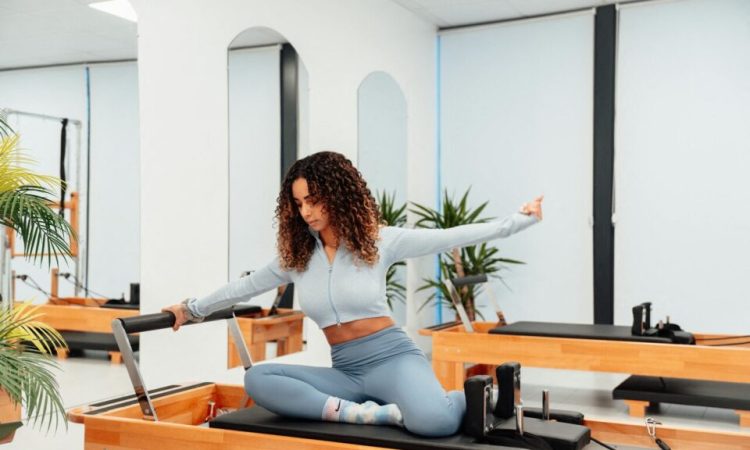
Long hours at desks, phones, and computers have reshaped the way modern bodies move and hold themselves. Rounded shoulders, forward head posture, and tight hips have become almost universal among office workers and students alike. This modern postural epidemic, often called “text neck,” affects not only appearance but also breathing, energy, and mood. While mat Pilates offers excellent foundational work, the pilates reformer provides a deeper and more corrective approach to postural restoration. Its spring resistance and three-dimensional feedback train alignment, strength, and awareness in ways the mat simply cannot match.
The Posture Problem of the Modern World
Sitting for hours shortens the hip flexors, weakens the glutes, and overstretches the back muscles. Meanwhile, leaning toward screens pulls the head forward, forcing the neck and shoulders to bear weight they were never designed for. Every inch the head moves forward adds significant strain to the cervical spine. Over time, this causes tension headaches, shoulder tightness, and fatigue.
The root issue isn’t weakness alone—it’s loss of coordination among the body’s stabilisers. The Reformer restores this harmony by training movement through resistance that activates the right muscles at the right time, building balanced, functional posture.
Why the Reformer Outperforms Mat Work for Postural Correction
Mat Pilates develops body awareness but relies mainly on gravity and body weight for feedback. The Reformer, on the other hand, provides adjustable spring resistance and guided movement pathways, making it more effective for retraining posture.
Key advantages include:
-
Adjustable Support: Springs can reduce or increase load, allowing precise targeting of postural stabilisers.
-
Three-Dimensional Movement: Exercises can be performed lying, kneeling, standing, or seated, improving strength across all planes.
-
Constant Feedback: The moving carriage and ropes reveal asymmetries and compensations instantly.
This combination transforms the Reformer into a dynamic alignment teacher, allowing the nervous system to feel and correct posture in real time.
Understanding “Text Neck” Through Biomechanics
“Text neck” refers to the forward head and rounded shoulder posture caused by prolonged screen use. The average head weighs around 5 to 6 kilograms, but every centimetre of forward displacement multiplies its load on the spine. The result is compression through the neck, overstretched upper back muscles, and a locked-down chest.
The Reformer’s horizontal setup allows gravity to be minimised, helping clients strengthen deep postural muscles without overloading the spine. Movements like Chest Expansion, Long Box Pulling Straps, and Swan on the Reformer strengthen the posterior chain—muscles that pull the body back into neutral alignment.
Rebuilding the Posterior Chain
Good posture begins at the back of the body. The Reformer targets key muscles such as the rhomboids, middle trapezius, and spinal extensors, which counteract slouching. Through spring tension, clients can feel the engagement of these muscles more clearly than on the mat.
For example:
-
Pulling Straps on the Long Box: Opens the chest and strengthens the upper back, reversing the effects of rounded shoulders.
-
Swan Prep: Encourages thoracic extension while keeping the lower back supported.
-
Rowing Series: Integrates shoulder stability with spinal mobility, training endurance for upright posture.
These exercises not only build strength but also retrain the nervous system to recognise what “aligned” feels like.
Reformer Work for Spinal Mobility
A mobile spine is a healthy spine. The Reformer’s guided movement facilitates safe articulation through every vertebral segment. Exercises like Bridging, Short Spine Massage, and Mermaid Stretch restore fluidity to the spine while reawakening deep stabilisers.
Controlled articulation improves circulation to the intervertebral discs and relieves pressure from prolonged sitting. As spinal movement becomes more natural, posture improves effortlessly—without force or tension.
Core Integration for Postural Support
The core isn’t just about abdominal muscles; it’s the entire trunk system that stabilises the spine and pelvis. On the Reformer, this system is trained to function in unison. Movements challenge balance and stability dynamically, forcing the core to adapt rather than brace.
During Footwork, for example, the carriage’s motion engages deep stabilisers such as the transversus abdominis and multifidus. Over time, these muscles learn to support the spine in neutral alignment. This deep integration prevents slumping and helps maintain tall, effortless posture throughout the day.
Breathing and the Postural Connection
Posture directly affects breathing efficiency. Rounded shoulders and collapsed ribs restrict the diaphragm’s range, leading to shallow chest breathing. The Reformer’s structure encourages three-dimensional expansion of the ribcage. When the breath moves fully through the torso, oxygen intake improves, and so does postural endurance.
Instructors often cue clients to “breathe into the back ribs” or “expand laterally,” which teaches the body to maintain openness through the chest. This new breathing pattern naturally supports upright alignment without strain.
Real-Life Scenario: Desk Worker Transformation
Consider a client who spends eight to ten hours daily in front of a computer. They arrive with tight hip flexors, rounded shoulders, and tension in the upper back. In their first few Reformer sessions, they may start with supported footwork to stabilise the pelvis, then progress to chest-opening sequences.
Within a few weeks, improvements become visible. The shoulders relax, the chest opens, and the head aligns over the spine. The client also reports fewer headaches and deeper breathing. This transformation occurs because the Reformer doesn’t just stretch tight muscles—it teaches the nervous system how to maintain better posture automatically.
The Mind-Body Awareness Element
True postural change isn’t about forcing the body into “good” alignment but about improving awareness and control. The Reformer cultivates proprioception—awareness of where the body is in space. With each movement, the springs and carriage provide instant feedback. The client feels when they slump or overextend, allowing for immediate correction.
This active participation turns posture into a habit rather than a conscious effort. Over time, correct alignment becomes instinctive, even outside the studio.
Reformer Techniques for Desk Posture Relief
Some particularly effective sequences for combating desk posture include:
-
Shoulder Bridge: Strengthens glutes and opens the front of the hips.
-
Chest Expansion: Retrains scapular stabilisation for shoulder retraction.
-
Mermaid Stretch: Improves lateral spinal mobility and releases oblique tension.
-
Standing Arm Series: Integrates postural control in upright positions, mirroring real-life movement.
Combining these exercises builds endurance in the muscles responsible for keeping the spine aligned throughout long workdays.
Long-Term Benefits Beyond Alignment
Postural improvement isn’t just aesthetic—it influences overall well-being. Proper alignment enhances energy, focus, and mood by improving circulation and oxygen flow. It also reduces strain on joints and nerves, preventing tension headaches and repetitive strain injuries.
Clients often report unexpected benefits such as better digestion and reduced fatigue, showing how posture impacts the entire body ecosystem. The Reformer makes these outcomes sustainable by teaching strength through balance, not brute force.
At Yoga Edition, sessions focus on postural intelligence—combining breath, alignment, and movement to restore natural equilibrium. Instructors guide clients to move efficiently, fostering awareness that lasts long after leaving the studio.
Frequently Asked Questions
Q1. Can Reformer Pilates fix poor posture from desk work?
Yes. By strengthening the posterior chain, improving spinal mobility, and retraining body awareness, the Reformer reverses postural imbalances caused by sitting and screen time.
Q2. How long before I notice postural improvement?
Most clients see noticeable changes in three to four weeks with consistent practice, including reduced shoulder tension and a more upright stance.
Q3. Is the Reformer suitable for people with neck pain or “text neck”?
Absolutely. Movements are guided and low-impact, allowing safe strengthening of supportive muscles without compressing the cervical spine.
Q4. How does breathing help posture?
Breathing mobilises the ribcage and activates deep core stabilisers. Full, diaphragmatic breath improves alignment from within and prevents slouching.
Q5. Should I combine Reformer Pilates with stretching or strength training?
Yes. The Reformer integrates both elements—strength and flexibility—making it an ideal complement to other fitness routines while focusing on alignment and awareness.
By addressing the muscular, neural, and respiratory aspects of posture, the pilates reformer provides the ultimate antidote to modern spinal stress. It restores natural alignment through intelligent resistance and mindful control, helping every movement feel lighter, freer, and more balanced—on and off the mat.