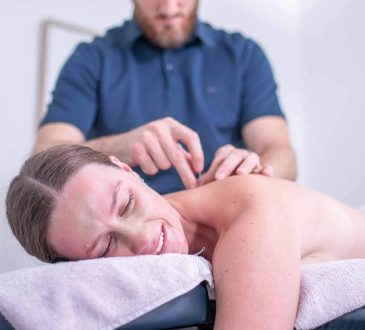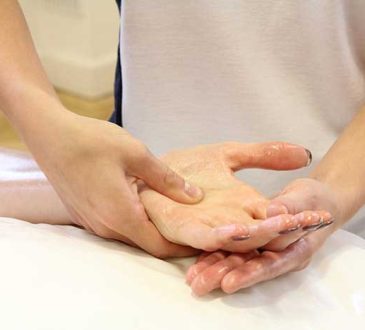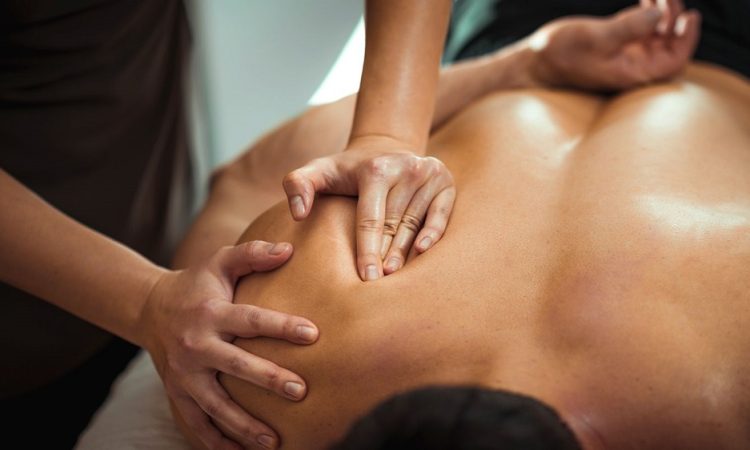
Modern office work places continuous demands on both the body and mind. Prolonged sitting, repetitive keystrokes, prolonged screen exposure, and sustained cognitive pressure create a distinct set of occupational health hazards. These physical and mental stresses frequently manifest as chronic musculoskeletal discomfort, digital eye strain, tension headaches, and midday cognitive fatigue. Over time, unaddressed physical tension diminishes workplace productivity, increases absenteeism, and drives up corporate healthcare expenditures.
While modern ergonomics offers structural solutions such as adjustable standing desks and lumbar supports, physical workplace interventions often fall short if employees lack actionable tools to manage bodily tension in real time. Acupressure provides an accessible, non-invasive, and cost-effective modality for workplace wellness. Rooted in Traditional Chinese Medicine and supported by contemporary neuromuscular science, self-administered and practitioner-led acupressure techniques empower employees to relieve physical strain, reset their autonomic nervous systems, and sustain optimal focus throughout the workday.
The Physiological Basis of Acupressure in Desk Environments
Acupressure operates through the application of precise manual pressure to specific anatomical sites known as acupoints. While traditional theory frames this practice around the regulation and balance of vital life energy, or Qi, modern physiology explains its efficacy through neurovascular and myofascial mechanisms.
When mechanical pressure is applied to targeted acupoints, several distinct biological processes occur:
-
Neuromuscular release: Sustained pressure stimulates mechanoreceptors located within muscle spindles and Golgi tendon organs. This mechanical input interrupts reflexive muscle spasm cycles, decreases localized myofascial tone, and encourages hypertonic muscle fibers to lengthen.
-
Microvascular circulation: Manual compression temporarily restricts local blood flow; upon release, a reactive hyperemia occurs, flushing the treated tissue with oxygenated blood, glucose, and essential nutrients while facilitating the clearance of cellular metabolic waste products like lactic acid.
-
Endogenous pain modulation: Stimulating sensory nerve fibers prompts the central nervous system to release endorphins, enkephalins, and dynorphins. These natural neurochemicals bind to opioid receptors in the brain and spinal cord, inhibiting nociceptive signals and raising individual pain thresholds.
-
Autonomic nervous system regulation: Rhythmic, deliberate acupoint stimulation engages the vagus nerve and activates the parasympathetic branch of the autonomic nervous system. This downregulates the sympathetic fight-or-flight response, reducing circulating cortisol levels, slowing resting heart rate, and lowering systemic arterial tension.
Understanding these physiological pathways transforms acupressure from an abstract wellness concept into a practical tool for daily ergonomic and mental maintenance.
Targeting Common Workplace Physical Ailments
Office workers routinely experience predictable patterns of postural breakdown. Acupressure offers targeted relief for the anatomical areas most vulnerable to desk-bound work.
Upper Trapezius and Neck Tightness
Sustained forward head posture, commonly referred to as tech neck, forces the cervical erector spinae, levator scapulae, and upper trapezius muscles into continuous isometric contraction. For every inch the head migrates forward beyond the shoulders, the relative load on the cervical spine increases substantially.
Stimulating points located along the crest of the shoulders and the base of the skull relieves the localized trigger points that cause upper-back burning and neck stiffness. Regular application during work breaks prevents these muscular contractions from consolidating into chronic postural distortions.
Repetitive Strain in Hands, Wrists, and Forearms
Continuous typing, trackpad navigation, and mouse usage place repetitive eccentric loads on the wrist flexor and extensor muscle compartments. Over time, this repetitive friction causes micro-trauma, localized inflammation, and potential median or ulnar nerve impingement, predisposing workers to carpal tunnel syndrome or tendinitis.
Acupressure points positioned along the inner and outer forearm and the dorsal surface of the hand increase local blood circulation, release fascial restrictions across the carpal tunnel, and alleviate tendon shear stress without requiring bulky braces or pharmaceutical anti-inflammatories.
Digital Eye Fatigue and Tension Headaches
Staring at high-contrast digital displays for hours without sufficient blink intervals dries the cornea, overworks the ciliary muscles responsible for lens accommodation, and leads to tension headaches that radiate across the temples and forehead.
Applying gentle, targeted pressure to acupoints situated around the orbital ridge, temples, and cranial base helps relax the suboccipital and periocular muscles, enhancing localized microcirculation and relieving ocular strain.
Essential Acupressure Points for Desk Workers
Employees can easily locate and stimulate several high-yield acupressure points while seated at their workstations. Applying firm, circular pressure with the thumb or index finger for one to two minutes per point provides immediate, noticeable relief.
-
Jian Jing (Gallbladder 21): Located on the top of the shoulder, midway between the base of the neck and the tip of the acromion process. Applying downward pressure with the opposite hand relieves acute shoulder tightness, eases cervical stiffness, and dissipates tension headaches.
-
Feng Chi (Gallbladder 20): Located at the base of the skull in the soft depressions on either side of the large vertical neck muscles. Using both thumbs to press upward and inward toward the center of the head relieves suboccipital tension, clears sinus pressure, and eases eye fatigue.
-
He Gu (Large Intestine 4): Positioned on the dorsal surface of the hand in the webbed muscle between the base of the thumb and index finger. Squeezing this point firmly with the opposite thumb and forefinger alleviates general headaches, facial tension, and mental lethargy.
-
Nei Guan (Pericardium 6): Found on the inner forearm, approximately three finger-widths below the wrist crease, between the two central flexor tendons. Moderate sustained pressure reduces localized forearm strain, settles stress-induced gastrointestinal distress, and calms acute anxiety.
-
Tai Yang (Extra Point): Situated in the soft indentation of the temples, approximately one finger-width behind the midpoint between the outer eyebrow corner and the outer eye corner. Gentle circular strokes ease tension headaches, relieve jaw clenching, and relax eye muscles after prolonged screen reading.
-
Yin Tang (Hall of Impression): Located directly between the inner edges of the eyebrows at the root of the nose. Applying gentle upward pressure with the middle finger quiets racing thoughts, alleviates frontal sinus congestion, and promotes focus.
Counteracting Mental Fatigue and Chronic Workplace Stress
Workplace wellness extends beyond physical ergonomics; managing cognitive stamina and emotional regulation is equally vital for consistent output. Chronic workplace deadlines and continuous multitasking keep the human stress response constantly elevated. This persistent sympathetic arousal impairs executive function in the prefrontal cortex, leading to diminished decision-making capacity, emotional irritability, and creative stagnation.
Integrating short acupressure breaks disrupts this cycle of chronic stress:
-
Restoring attention capacity: Shifting attention away from screen tasks toward internal somatic sensations during acupressure resets working memory and helps restore executive cognitive reserves.
-
Mitigating the afternoon energy drop: Rather than relying exclusively on additional doses of caffeine or refined sugar, stimulating activating acupoints like He Gu or Yin Tang stimulates alertness by modulating neural arousal networks naturally.
-
Emotional self-regulation: Providing employees with discreet, self-directed somatic techniques gives them an immediate coping strategy during stressful presentations, contentious meetings, or critical project deadlines.
Practical Frameworks for Integrating Acupressure into the Workday
For acupressure to yield durable workplace benefits, it must be embedded seamlessly into everyday professional routines without disrupting workflows.
Organizations and individual professionals can implement structured integration strategies:
-
The micro-break protocol: Pair the common twenty-twenty-twenty ergonomic rule (looking twenty feet away for twenty seconds every twenty minutes) with a thirty-second acupoint stimulation routine focusing on the temples, brow, or forearms.
-
Pre-meeting somatic resets: Encourage teams to spend sixty seconds performing gentle breathing combined with bilateral stimulation of the He Gu or Feng Chi points before high-stakes strategy sessions.
-
Dedicated wellness spaces: Modern corporate wellness rooms can be equipped with ergonomic seating, low ambient lighting, and visual anatomical guides displaying key acupressure points to encourage restful midday resets.
-
Guided corporate workshops: Employers can host accredited acupressure practitioners to teach staff proper point location, correct pressure application, and contraindicated conditions, ensuring safe and effective daily practice.
The Organizational Value of Proactive Somatic Care
Investing in accessible, somatic health initiatives like acupressure yields tangible organizational dividends. The direct costs associated with musculoskeletal disorders, repetitive strain injuries, and burnout-induced turnover represent significant financial liabilities for employers.
By equipping workforces with proactive, self-care competencies, organizations experience:
-
Lower rates of repetitive stress and musculoskeletal injury claims.
-
Decreased absenteeism resulting from stress-induced headaches and chronic cervical pain.
-
Enhanced employee focus, job satisfaction, and subjective well-being.
-
A supportive, health-conscious workplace culture that aids in talent recruitment and retention.
Acupressure bridges the gap between passive ergonomic equipment and active physiological health, creating a sustainable foundation for employee comfort and enduring productivity.
Frequently Asked Questions
Can self-administered acupressure cause any physical harm or nerve damage if done incorrectly?
Self-administered acupressure is exceptionally safe when applied with moderate, controlled finger pressure. However, you should never press aggressively over superficial arteries, open wounds, bruised tissue, or varicose veins. If you experience sharp, shooting pain or localized numbness, immediately reduce pressure or discontinue stimulation on that specific point.
How much physical force should an employee apply during a desk acupressure session?
The ideal pressure should feel like a satisfying, slightly tender ache, often described as good pain or de-qi in clinical terms. It should never feel sharply painful or cause involuntary muscular tensing. Use the soft pad of your thumb, finger, or knuckle, and gradually increase pressure over five to ten seconds rather than stabbing directly into the muscle tissue.
Are there specific acupressure points that pregnant employees should avoid?
Yes. Certain acupressure points have strong downward-draining energy and can stimulate uterine contractions. Pregnant employees should strictly avoid stimulating He Gu (Large Intestine 4), Jian Jing (Gallbladder 21), and San Yin Jiao (Spleen 6) throughout the duration of their pregnancy, unless supervised by a licensed healthcare provider during labor.
Can acupressure replace formal ergonomic equipment like ergonomic chairs and split keyboards?
No. Acupressure is a complementary therapeutic practice, not a replacement for proper workspace ergonomics. An adjustable chair, proper monitor height, neutral wrist angles, and supportive footwear provide the essential external biomechanical foundation. Acupressure works from the inside out by releasing the residual muscular tension and mental fatigue that occur even in well-designed workspaces.
How many times per day can an office worker safely practice acupressure?
Employees can safely perform self-acupressure two to four times per workday. Each micro-session should last between two and five minutes, targeting two or three complementary acupoints. Consistency and moderate pressure are far more beneficial for tissue release than prolonged, aggressive sessions performed infrequently.
Do acupressure massage mats or acupressure rings offer real benefits in an office setting?
Yes. Acupressure rings (small metallic coiled rings rolled up and down the fingers) and foot acupressure mats placed under desks provide passive mechanoreceptor stimulation. Rings help stimulate circulation in fatigued typists fingers, while under-desk foot mats encourage gentle foot movement and venous blood return during seated tasks.
What should a worker do if a tension headache worsens after pressing temple or neck points?
If a headache intensifies, stop applying manual pressure immediately and hydrate with room-temperature water. A temporary aggravation usually indicates that too much mechanical pressure was applied, triggering a protective muscle spasm, or that the headache is vascular or migraine-related rather than a simple tension headache. Rest in a dimly lit, quiet area and seek medical evaluation if symptoms persist.